
No products in the cart.
Fermentation: From Ancient Food Preservation to Modern Biotechnology
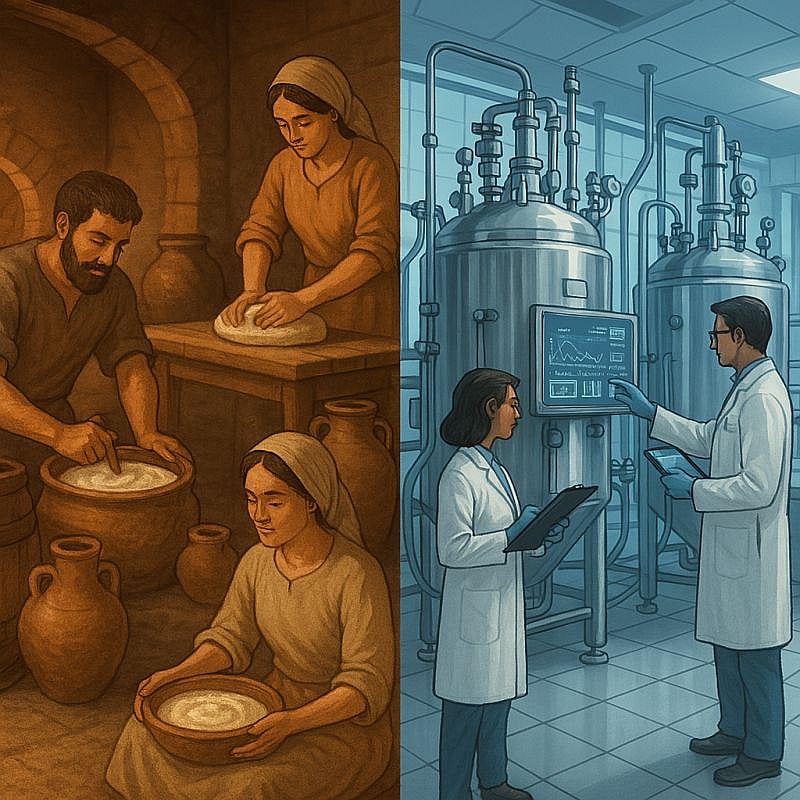
Fermentation has come a long way—from bubbling clay pots in ancient kitchens to advanced stainless-steel bioreactors in modern laboratories. What once began as a simple method to preserve food has evolved into one of the most important biological processes driving innovation across the food, pharmaceutical, agricultural, and biotechnology industries.
For thousands of years, civilizations around the world have relied on fermentation to produce foods like yogurt, kimchi, kefir, sauerkraut, cheese, and bread. While early societies didn’t fully understand the science behind the process, they recognized that fermentation improved food preservation, enhanced flavor, and often made food easier to digest.
Today, scientists understand that fermentation is powered by microorganisms such as bacteria, yeast, and fungi, which convert sugars into useful products like organic acids, alcohol, gases, and bioactive compounds. Modern biotechnology has transformed this ancient process into a highly controlled and efficient manufacturing technique. The Food and Agriculture Organization (FAO) recognizes fermentation as an important technology for food preservation and nutrition.https://www.fao.org/
Fermentation Beyond Food
Modern fermentation extends far beyond producing delicious foods and beverages. It plays a critical role in manufacturing a wide range of products that improve everyday life.
Using precision-controlled bioreactors and fermenters, researchers can carefully regulate temperature, pH, dissolved oxygen, agitation, and nutrient supply to create ideal conditions for microbial growth and product formation. These optimized environments ensure consistent quality, high productivity, and scalable manufacturing. Learn more about our Laboratory Fermenters and Bioreactors. https://www.fermex.in/
Today, fermentation is used to produce:
- Antibiotics and vaccines
- Insulin and other therapeutic proteins
- Industrial enzymes
- Bioethanol and biofuels
- Probiotics
- Organic acids and amino acids
- Sustainable biomaterials
- Food ingredients and nutritional supplements
The same yeast that helps bread rise or brew beer is now used in sophisticated bioprocesses to manufacture life-saving medicines and sustainable industrial products.
Health Benefits of Fermented Foods
Fermented foods remain an important part of a healthy diet. Foods like kimchi, yogurt, kefir, kombucha, and sauerkraut are naturally rich in probiotics that support a healthy gut microbiome.
Regular consumption of fermented foods may help:
- Improve digestion
- Support gut health
- Enhance nutrient absorption
- Strengthen the immune system
- Promote microbial diversity in the digestive tract
Growing scientific research continues to explore the relationship between gut health, immunity, and overall well-being, making fermented foods increasingly popular among health-conscious consumers.
The Future of Fermentation
From traditional food preservation to precision bioprocessing, fermentation continues to bridge ancient knowledge with modern scientific advancements. It remains one of humanity’s oldest technologies while serving as a cornerstone of the future bioeconomy.
Whether it’s creating nutritious foods, producing life-saving pharmaceuticals, or developing sustainable solutions for tomorrow, fermentation continues to transform industries and improve lives around the world.
